Transform Your World with Language Learning at Glossart Languages!




The Influence of Indigenous and African Languages on Brazilian Portuguese | Glossart Languages
Discover how Indigenous and African languages have shaped Brazilian Portuguese. Explore the origins of everyday words, place names, food, music, and cultural expressions with Glossart Languages.
Evangelia Perifanou
7/18/20265 min read
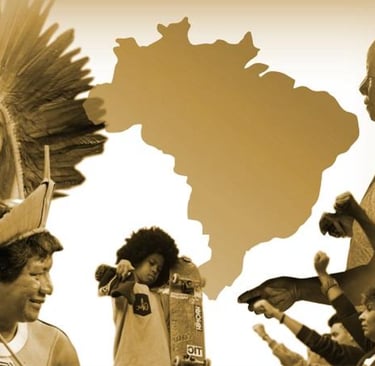
The Influence of Indigenous and African Languages on Brazilian Portuguese
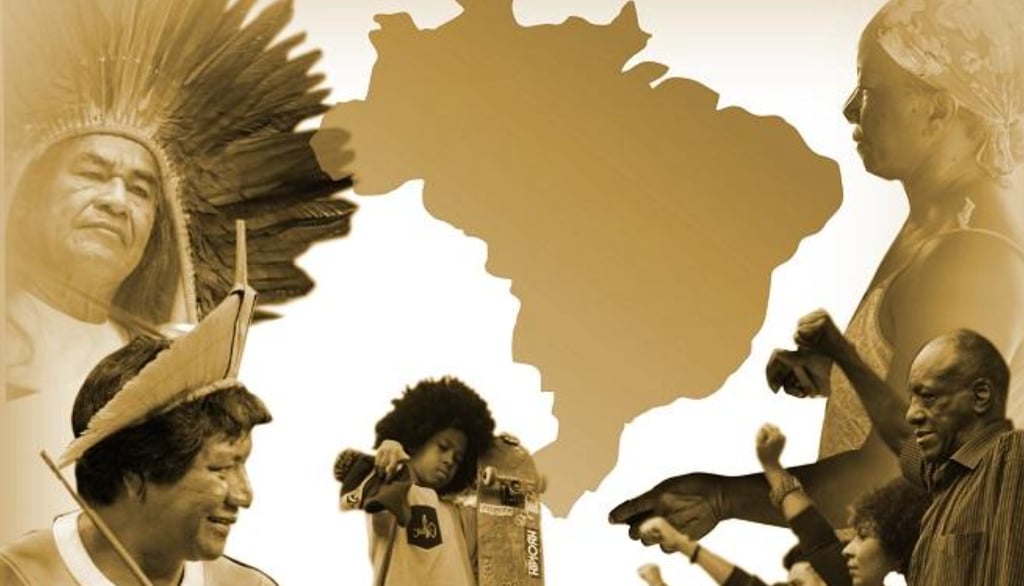
Brazilian Portuguese is much more than a variety of Portuguese spoken on the other side of the Atlantic. It is a language shaped by centuries of cultural contact, migration, colonization, and the coexistence of different peoples.
When the Portuguese arrived in Brazil in the 16th century, they encountered hundreds of Indigenous peoples speaking a wide variety of languages. Later, millions of Africans were forcibly brought to Brazil through the transatlantic slave trade, bringing with them their own languages, traditions, and cultures.
Over time, this intense linguistic contact left a lasting mark on the Portuguese spoken in Brazil today. From everyday vocabulary and food to music, religion, and place names, Indigenous and African languages have helped create the rich linguistic identity of Brazilian Portuguese.
At Glossart Languages, we believe that learning a language also means discovering the history and cultures that have shaped it. So, let’s explore some of the fascinating influences behind the Portuguese spoken in Brazil today.
1. Indigenous Languages and the Origins of Brazilian Portuguese
Before the arrival of the Portuguese, Brazil was home to a remarkable diversity of Indigenous languages.
Among the most influential were languages belonging to the Tupi-Guarani family. During the colonial period, varieties based largely on Tupian languages were widely used for communication between Indigenous communities, European settlers, and missionaries.
This linguistic contact had an enormous impact on Brazilian Portuguese, particularly on vocabulary connected to the natural world.
Many words used in Brazil today to describe plants, animals, foods, and geographical features have Indigenous origins.
Some examples include:
abacaxi – pineapple
açaí – açaí berry
caju – cashew
capivara – capybara
jacaré – alligator/caiman
tatu – armadillo
piranha – piranha
tucano – toucan
These words reflect the environment that Indigenous peoples knew intimately long before European colonization.
Interestingly, some of these words have travelled far beyond Brazil. Words such as piranha, tapioca, and jaguar ultimately have Indigenous South American origins and are now recognized in several languages around the world.
2. Indigenous Influence on Brazilian Place Names
One of the most visible Indigenous influences in Brazil can be found on the map.
Countless Brazilian cities, rivers, neighborhoods, mountains, and states have names derived from Indigenous languages.
Examples include:
Ipanema
Iguaçu
Paraná
Paraíba
Pernambuco
Tocantins
Pacaembu
Even the famous neighborhood of Ipanema in Rio de Janeiro carries a name of Indigenous origin.
These place names are linguistic reminders of the peoples who inhabited these territories long before the formation of modern Brazil.
For learners of Brazilian Portuguese, recognizing this influence can also explain why certain Brazilian names and words may look or sound very different from vocabulary inherited directly from European Portuguese.
3. The Arrival of African Languages in Brazil
African languages also played a fundamental role in shaping Brazilian Portuguese.
Between the 16th and 19th centuries, millions of enslaved Africans were forcibly transported to Brazil. They came from different regions of Africa and spoke many different languages.
Among the languages that had a particularly important influence were those from the Bantu language family, especially languages such as Kimbundu and Kikongo, as well as West African languages associated with Yoruba-speaking peoples.
Through generations of contact, many African-origin words became part of everyday Brazilian Portuguese.
Today, speakers may use these words without necessarily realizing where they originally came from.
4. African Words in Everyday Brazilian Portuguese
African influence can be found in many areas of Brazilian vocabulary, especially words connected to food, music, religion, family, and everyday life.
Some well-known examples include:
cafuné – the affectionate act of gently running your fingers through someone’s hair
caçula – the youngest child in a family
moleque – historically a boy or young person; today its meaning depends strongly on context
quitanda – a small shop or market traditionally associated with food and produce
fubá – cornmeal
dendê – palm oil widely used in Bahian cuisine
samba – the internationally famous Brazilian musical and dance tradition
quilombo – historically, a community formed primarily by people who escaped slavery; today the word also carries important historical and cultural significance in Brazil
These words tell stories. They show how language can preserve traces of migration, resistance, cultural exchange, and identity across generations.
5. The Language of Brazilian Food
Brazilian cuisine is one of the clearest examples of the country's multicultural history.
Many foods and culinary traditions reflect a combination of Indigenous, African, and Portuguese influences.
Indigenous peoples contributed ingredients and food traditions involving products such as cassava, known in Portuguese as mandioca, as well as tapioca and many native fruits.
African cultures had an especially strong influence on the cuisine of northeastern Brazil, particularly in Bahia.
Words and dishes associated with this heritage include acarajé, vatapá, dendê, and moqueca.
Food vocabulary is therefore much more than a list of words to memorize. It offers learners a window into Brazil's history and cultural diversity.
6. Music, Religion, and African Linguistic Heritage
The African influence on Brazilian Portuguese extends far beyond individual words.
It is deeply connected to Brazilian music, dance, spirituality, and cultural traditions.
Words associated with traditions such as samba, capoeira, and Afro-Brazilian religions reflect centuries of African cultural presence in Brazil.
In religious traditions such as Candomblé, for example, words connected to Yoruba and other African languages continue to play an important role.
Terms such as orixá, referring to sacred spiritual entities in several Afro-Brazilian traditions, have become widely recognized in Brazilian culture.
This shows how languages can survive and evolve even under extremely difficult historical circumstances.
7. Did Indigenous and African Languages Change How Brazilian Portuguese Sounds?
This is a fascinating question and one that linguists continue to study and debate.
The clearest evidence of Indigenous and African influence is found in vocabulary and place names. Some researchers have also explored whether centuries of contact with Indigenous and African languages may have influenced certain aspects of Brazilian Portuguese pronunciation, rhythm, grammar, and everyday speech.
However, Brazilian Portuguese developed through a complex combination of factors. Changes within Portuguese itself, regional differences, immigration, social history, and contact between many different languages all contributed to the way Brazilians speak today.
For this reason, it would be too simplistic to attribute the distinctive sound of Brazilian Portuguese to a single linguistic influence.
Instead, Brazilian Portuguese can be understood as the result of centuries of interaction between different communities and linguistic traditions.
8. Brazilian Portuguese Is Not the Same Everywhere
Brazil is an enormous country, and Brazilian Portuguese varies significantly from region to region.
Someone from Rio de Janeiro may pronounce certain sounds differently from someone from São Paulo, Bahia, Minas Gerais, or Rio Grande do Sul.
Vocabulary also changes depending on the region.
These differences reflect Brazil's unique regional histories. Some areas experienced stronger Indigenous linguistic influence, while others were particularly shaped by African languages or by later waves of immigration from countries such as Italy, Germany, Japan, and others.
As a result, there is no single way to "sound Brazilian."
The diversity of Brazilian Portuguese is one of the things that makes the language so fascinating to learn.
9. Language as a Reflection of Brazilian History
Every language carries the history of the people who speak it, and Brazilian Portuguese is a powerful example.
Portuguese provided the main linguistic foundation, but the language developed in constant contact with Indigenous languages, African languages, and, later, the languages of immigrant communities.
When you say words such as açaí, capivara, cafuné, or samba, you are using vocabulary connected to different chapters of Brazil's cultural and linguistic history.
Understanding these origins allows language learners to see Brazilian Portuguese from a different perspective—not simply as a collection of grammar rules and vocabulary, but as a living record of centuries of human interaction.
Final Thoughts
The influence of Indigenous and African languages is an essential part of the story of Brazilian Portuguese.
From the names of cities and rivers to the words Brazilians use for food, music, nature, and everyday life, these linguistic traditions continue to be present in modern Brazil.
Learning about these influences can help students develop a deeper understanding of both the Portuguese language and Brazilian culture.
At Glossart Languages, we believe that the best way to truly learn a language is to go beyond grammar and vocabulary. Exploring its history, culture, and linguistic diversity allows us to understand not only how people speak, but also why they speak the way they do.
And Brazilian Portuguese, with its extraordinary mix of linguistic and cultural influences, offers a fascinating story waiting to be discovered.
#GlossartLanguages #LearnPortuguese #BrazilianPortuguese #PortugueseLanguage #LearnBrazilianPortuguese #BrazilianCulture #LanguageLearning #IndigenousLanguages #AfricanLanguages #LanguageAndCulture #Linguistics #LearnLanguagesOnline #OnlineLanguageClasses #SpeakPortuguese #LanguageEducation